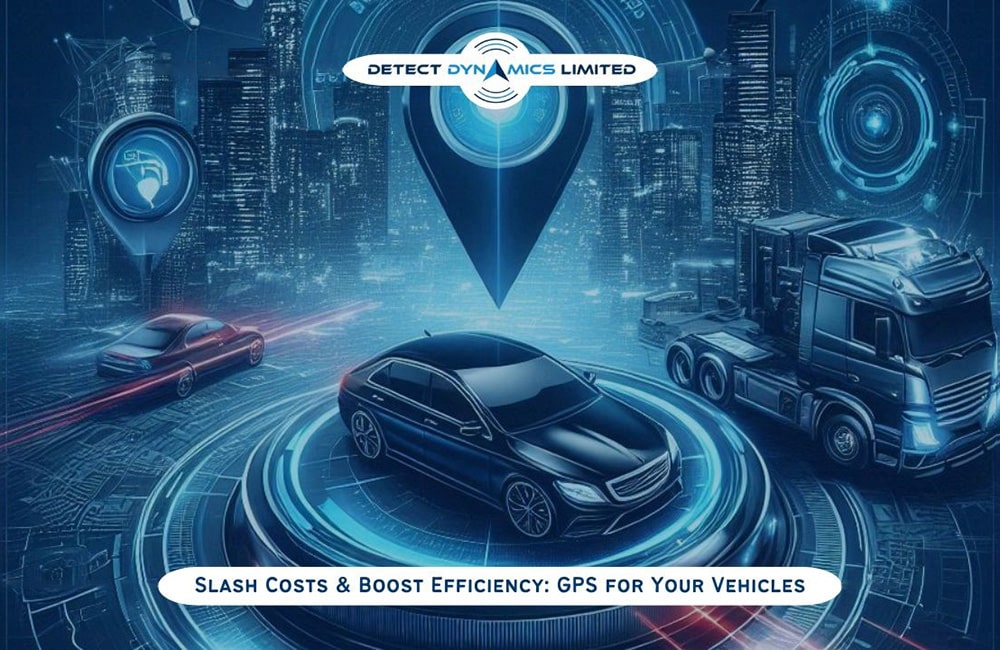
In today's fast-paced business world, streamlining operations and maximizing efficiency are crucial for success. For companies that rely on vehicles, whether it's a delivery fleet, a team of service technicians, or a sales force on the road, managing those vehicles can be a constant challenge. Fortunately, innovative technology is emerging to revolutionize fleet management: GPS (Global Positioning System). This blog will explore how GPS vehicle tracking can transform your business by slashing costs, boosting efficiency, and providing valuable insights into your fleet operations. What is GPS Vehicle Tracking? GPS vehicle tracking utilizes a network of satellites to pinpoint the real-time location of your vehicles. A GPS device installed in each vehicle transmits its location data to a central software platform, accessible from your computer or mobile device. This platform provides a clear view of your entire fleet, allowing you to see where each vehicle is, where it's been, and even its current speed and direction. Slashing Costs Reduced Fuel Consumption: Knowing the location and driving habits of your fleet allows you to identify areas for improvement. By optimizing routes and eliminating unnecessary idling, GPS can significantly reduce fuel consumption. Studies have shown reductions of 10-20% or more, translating to substantial cost savings. Improved Maintenance Scheduling: GPS data can help you track vehicle mileage and engine performance. Informed by this data, you can implement preventative maintenance schedules, avoiding costly breakdowns and repairs. Reduced Insurance Premiums: Many insurance companies offer discounts for companies that utilize GPS tracking. Since the technology deters theft and allows for faster recovery in case of an incident, insurers recognize the reduced risk.
Boosting Efficiency Optimized Route Planning: GPS software allows you to create efficient routes based on real-time traffic conditions, vehicle capacities, and delivery schedules. This reduces travel time, increases on-time deliveries, and improves customer satisfaction. Improved Dispatching: With real-time location data, you can dispatch the closest available vehicle to customer requests, ensuring faster response times and better service. No more wasting time trying to track down drivers or wondering where your vehicles are. Enhanced Field Productivity: GPS can help monitor driver activity and ensure they're adhering to planned routes and schedules. This promotes accountability and reduces unproductive time, ultimately leading to a more productive workforce.
Gaining Valuable Insights Beyond cost savings and efficiency gains, GPS offers valuable data to improve your overall fleet management strategy. You can analyze: Driver Behavior: Identify pattes like speeding, harsh braking, or unauthorized stops. Use this information for driver coaching to promote safety and fuel efficiency. Vehicle Utilization: See which vehicles are being used most efficiently and identify any underutilized assets. This data can guide future vehicle acquisitions and deployments. Delivery Trends: Track delivery times and identify areas for improvement. GPS can help you pinpoint bottlenecks or delays in your delivery process.
Implementation Considerations While the benefits of GPS are clear, some important considerations exist before implementation. Cost: GPS systems come with an upfront investment for hardware and software. However, the long-term cost savings typically outweigh the initial investment. Privacy Conces: Employee privacy is a valid conce. Ensure clear communication with your workforce regarding the purpose and limitations of GPS tracking. Focus on the benefits for both the company and the employees, such as improved safety and efficient route planning.
The Future of GPS Fleet Management GPS technology is constantly evolving. New features like: Geofencing: Set virtual boundaries around specific areas. Receive alerts if vehicles enter or leave restricted zones. Two-way Communication: Enable real-time communication between dispatchers and drivers directly through the GPS platform. Vehicle Diagnostics: Integrate GPS with vehicle diagnostics to monitor engine performance and receive real-time alerts for potential problems.
Beyond the Basics: Advanced Applications of GPS for Your Fleet However, the potential goes beyond just cost savings and efficiency. Here's a glimpse into some advanced applications of GPS technology: Improved Safety: GPS can be integrated with in-vehicle safety features. For example, the system can detect harsh braking or sudden acceleration and trigger waings or even automatic engine slowdown. Real-time location data also allows for faster emergency response times in case of accidents. Enhanced Customer Service: GPS allows you to provide your customers with real-time delivery updates. They can track their deliveries on a map and receive estimated arrival times, improving transparency and customer satisfaction. Theft Prevention and Recovery: GPS systems can be equipped with tamper alerts. If a vehicle is stolen, the system can track its location in real-time, significantly increasing the chances of recovery. Workforce Management: For companies with a mobile workforce, such as field technicians or sales representatives, GPS can track their time spent at customer locations and optimize scheduling for improved productivity. Integration with Other Systems: Mode GPS solutions integrate seamlessly with other business software, such as dispatch software, accounting systems, or customer relationship management (CRM) tools. This allows for a more holistic view of your operations and streamlines data management.
The Rise of Telematics Taking GPS technology a step further, telematics is an emerging field that combines GPS data with vehicle diagnostics. Telematics systems collect real-time data on engine performance, fuel consumption, tire pressure, and other vital aspects of vehicle health. This data can be used to: Predict Maintenance Needs: By analyzing trends in vehicle data, telematics can predict potential issues before they become major breakdowns. This allows for preventative maintenance, reducing downtime and repair costs. Promote Eco-Friendly Driving: Telematics can provide feedback to drivers on their fuel efficiency and identify areas for improvement. This can incentivize eco-friendly driving habits and reduce your company's carbon footprint.
The Future is Connected As technology continues to evolve, the future of fleet management is connected. The Inteet of Things (IoT) will play a significant role, with vehicles communicating with each other and with infrastructure through sensors and networks. This will enable features like: Real-time Traffic Management: Vehicles will receive real-time traffic updates and automatically reroute to avoid congestion, further optimizing delivery times and fuel efficiency. Predictive Maintenance: Advanced analytics will predict failures before they occur, allowing for proactive maintenance and preventing costly downtime. Autonomous Vehicles: While still in development, self-driving vehicles promise a future with significantly improved efficiency and safety for fleet operations.
In today's competitive landscape, optimizing your fleet operations is essential. GPS vehicle tracking offers a powerful solution for slashing costs, boosting efficiency, and gaining valuable insights. By implementing a GPS system, you can ensure your fleet is operating at peak performance, ultimately leading to a more profitable and successful business. GPS technology is a powerful tool for businesses that rely on vehicles. By implementing a GPS system and exploring its advanced applications, you can unlock a new level of efficiency, cost savings, and valuable insights into your fleet operations. As technology continues to evolve, the future of fleet management is bright, with connected vehicles and predictive analytics offering even greater potential for success. Ready to take your fleet management to the next level? Research different GPS solutions and find one that fits your specific needs and budget. With GPS technology on your side, you can unlock a new level of efficiency and cost savings for your business.